Discover our fire-protection solutions for roofs with PV
8-11-2025
QBE research: 60% increase in UK fires involving solar panels
QBE's UK fire-service research recorded 171 fires involving solar panels in 2024, compared with 107 in 2022. The figures underline the importance of PV installation and maintenance, while the commercial and industrial incidents also raise an important question about limiting loss after ignition.
What the QBE data shows
QBE used Freedom of Information requests to UK fire services to examine reported fires involving solar panels. The research recorded 107 incidents in 2022, 128 in 2023 and 171 in 2024, representing an increase of approximately 60% over two years. Over the same period, the reported number of solar installations increased by approximately 29.6%.
The dataset does not represent every UK fire service, because 37 of the 49 services approached were able to provide incident data. It also records fires involving solar panels rather than establishing that PV was the cause of every reported incident.
The property types are particularly relevant to the commercial rooftop market. QBE recorded 27 incidents at commercial properties and 10 at industrial buildings. Those figures show why rooftop PV fire risk is not solely a residential issue.
What is known about origin
Information on where incidents originated was available from a smaller group of fire services. Within that dataset, QBE reported 21 incidents involving the inverter as the origin, 20 involving the solar panel, 16 involving DC cabling and 12 involving a battery.
QBE notes that the rate of increase may point towards issues in installation or maintenance. This reinforces the importance of competent design, installation, inspection and lifecycle management without attributing the entire trend to one component or roof type.
The consequence question for commercial roofs
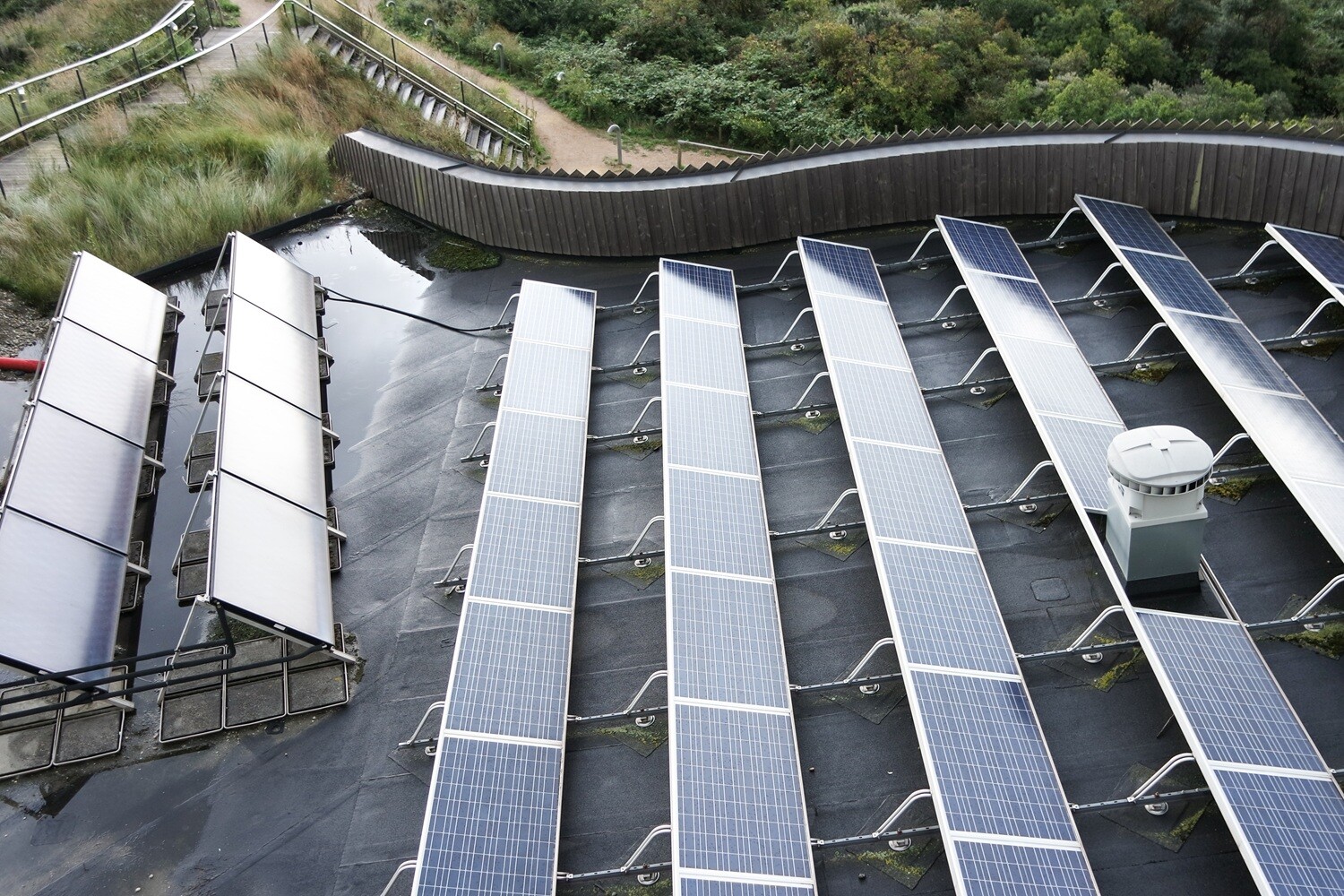
For a commercial building owner, preventing electrical faults remains the first priority. Once sustained fire develops above the waterproofing membrane, however, the roof construction becomes part of the loss scenario.
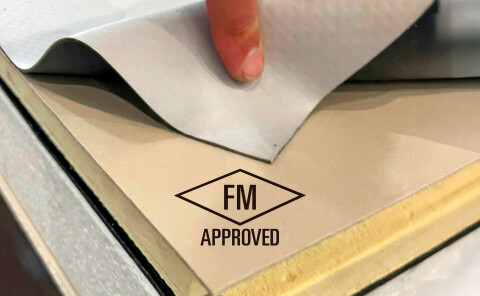
AllShield BarrierSheet does not prevent an inverter, cable or connector defect from occurring. Its function is to add passive separation within the roof. In the tested ZAG roof-PV configurations, BarrierSheet prevented direct flame penetration into deeper structural layers.
This matters because the economic consequence of a commercial rooftop incident can extend beyond the PV equipment. Roof repair, water ingress, stock or equipment damage, interrupted production and prolonged building disruption can all influence the final loss.
QBE's data therefore supports a two-sided strategy: reduce the probability of PV faults and design the roof so that independent protection remains if ignition nevertheless occurs.
For owners assessing PV on a commercial or industrial building, AllShield can review the proposed roof build-up alongside the available fire-test and approval evidence.
Passive fire protection for new and refurbished roofs with PV
The right roof assembly for PV and documented fire protection
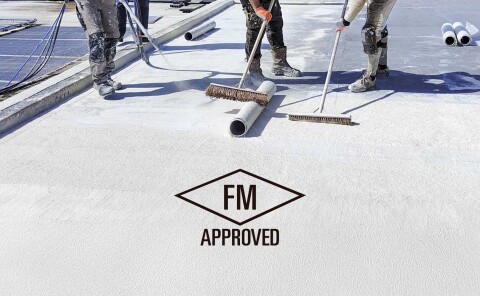
Flat roofs with solar PV require fire protection that considers the complete roof assembly. AllShield BarrierSheet is our standard solution for new construction and roof refurbishment, installed beneath a new waterproofing membrane. AllShield Blue is a specialist alternative for selected existing roofs where retaining the current waterproofing provides a clear practical advantage.
Do you have any questions for us?
We're here for you!